

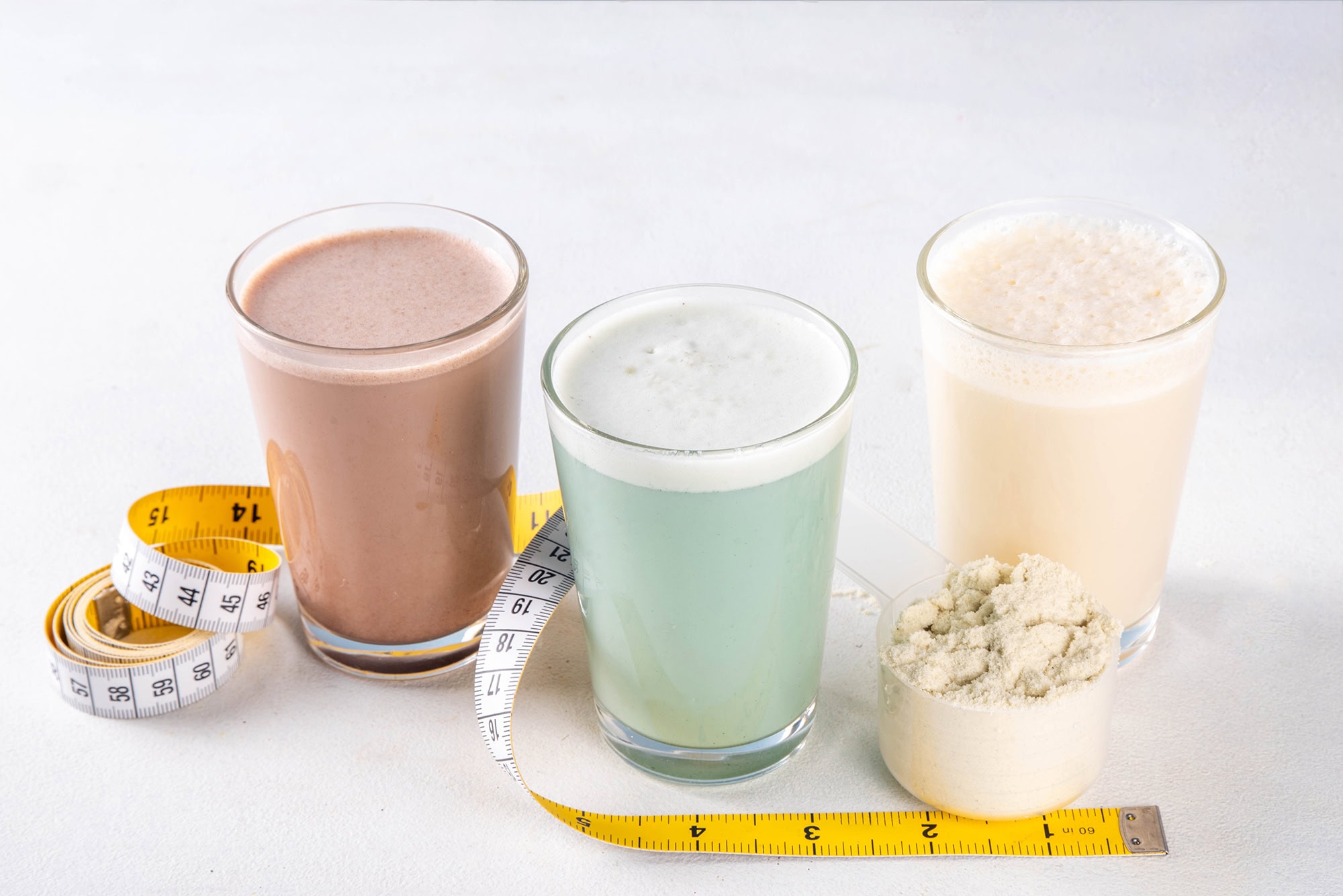
Protein powder isn’t just for bodybuilders. It can be a useful tool when you’re trying to lose weight, particularly if you struggle to get enough protein from your regular meals.
Protein can help you feel fuller, support muscle maintenance during weight loss, and make healthy eating more convenient. However, protein powder isn’t a weight-loss product. It doesn’t directly burn body fat. Instead, it’s simply a convenient way to increase your protein intake.
When you’re losing weight, the goal is to reduce body fat while maintaining as much muscle as possible. Eating enough protein, particularly alongside resistance training, can help support muscle maintenance.
Protein can also help you feel satisfied after eating, which may make it easier to manage hunger and reduce unnecessary snacking.
Good sources of protein include:
Protein powder is simply another option.
1. It’s Convenient
A protein shake takes only a couple of minutes to prepare, making it useful when you’re busy, travelling, or don’t have time to cook.
2. It Can Help With Hunger
Adding protein to a meal or snack can make it more satisfying and may help reduce the urge to snack later.
3. It Supports Muscle
Getting enough protein can help support muscle while you’re eating fewer calories. This becomes particularly important as we get older, when maintaining muscle mass becomes increasingly important.
4. It’s Versatile
Protein powder can be added to smoothies, yoghurt, porridge, overnight oats, pancakes, muffins, and other homemade recipes.
There are several different types of protein powder, and each has its own benefits.
1. Whey protein comes from milk and is quickly digested. It’s a popular choice and contains all nine essential amino acids.
2. Casein is also made from milk but is digested more slowly.
3. Soy protein is a plant-based option that contains all nine essential amino acids.
4. Pea and rice proteins are popular plant-based options and are often combined to provide a broader range of amino acids.
There isn’t one protein powder that’s best for everyone. The right choice depends on your dietary preferences, digestion, budget, and taste.
You don’t need the most expensive product available. When comparing protein powders, consider:
1. Protein: Check how much protein you get per serving.
2. Calories: Protein powder still contains calories, so don’t assume that adding more will automatically help with weight loss.
3. Sugar: Look for products with little or no added sugar if that suits your goals.
4. Ingredients: Check what else has been added to the product.
5. Tolerance: If dairy-based protein causes bloating or digestive discomfort, consider trying a plant-based alternative.
And most importantly, choose one you actually enjoy drinking. There’s no point buying a protein powder you’ll never use.
Try adding protein powder to:
You don’t necessarily need to have protein powder immediately after exercising. While it can be a convenient post-workout option, what’s more important is getting enough protein across the day.
No, not by itself.
Weight loss happens when, over time, you consume less energy than your body uses. Protein can make this easier by helping you feel fuller and supporting muscle maintenance.
For example, replacing a high-calorie snack with a protein-rich option may help reduce your overall calorie intake.
On the other hand, adding a calorie-containing protein shake on top of everything you’re already eating won’t necessarily help you lose weight.
Think of protein powder as a tool that can make healthy eating easier, rather than a weight-loss solution.
Your protein requirements depend on factors such as your body size, age, activity level, and goals.
Rather than automatically consuming large amounts of protein powder, start by looking at how much protein you’re already getting from food.
A simple approach is to include a source of protein at each main meal and use protein powder when it helps you conveniently fill the gaps.
If you have a medical condition or concerns about your protein intake, speak with your doctor or a qualified dietitian.
Protein powder should supplement your diet, not replace nutritious food.
Whole foods provide protein alongside fibre, vitamins, minerals, and many other nutrients. Your weight-loss diet should still include plenty of vegetables, fruit, wholegrains, healthy fats, and a variety of protein-rich foods.
Protein powder can be useful if it makes healthy eating easier. It can help you increase your protein intake, manage hunger, and support muscle while losing weight.
But you don’t need protein powder to lose weight.
Use it because it’s convenient, not because you believe you need it for weight loss.
Join our mailing list for fitness tips, class news, and community vibes.
505 Grey Street
Hamilton East, Hamilton 3216
Phone: 07 838 3888
Email: hamilton@truewoman.co.nz
Open 24/7
Staffed Hours
Monday – Thursday: 6am – 8pm
Friday: 6am – 7.30pm
Saturday: 8:30am – 12pm
Sunday: Unstaffed
© True Woman Fitness
Website by Digital Stream
